


If you have ever opened a forgotten cupboard during the monsoon and met that musty, earthy smell — that is mold, and you are inhaling its spores. In humid Indian homes, especially across Kolkata, Mumbai, Goa, Bengaluru, Chennai and the entire eastern and coastal belt, airborne mold is not a seasonal nuisance. It is a year-round resident.
Now here is the part that surprises most people: there is a single houseplant that, in controlled laboratory testing, was shown to remove 78% of airborne mold spores within just 12 hours. That plant is English Ivy (Hedera helix) — an unassuming, cascading green vine that most of us have walked past in hotel lobbies and garden centres without a second thought.
This article is a complete, practical guide to understanding that finding, applying it to real Indian homes, and using English Ivy alongside other proven mold-fighting houseplants to genuinely clean the air you breathe. We will look at the science, the placement, the care, the safety considerations, and the realistic limits of what a houseplant can and cannot do.
By the end, you will know exactly how to use plants as a natural mold air purifier — and which ones to pair them with for the best results in damp Indian rooms.
Plants That Clean Your Air Naturally
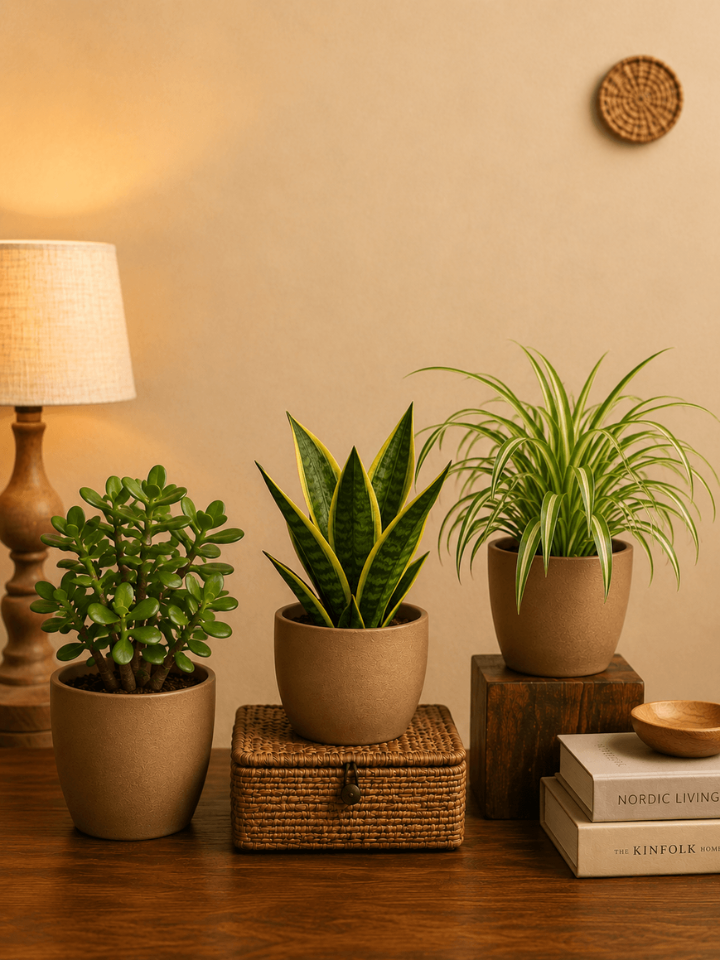
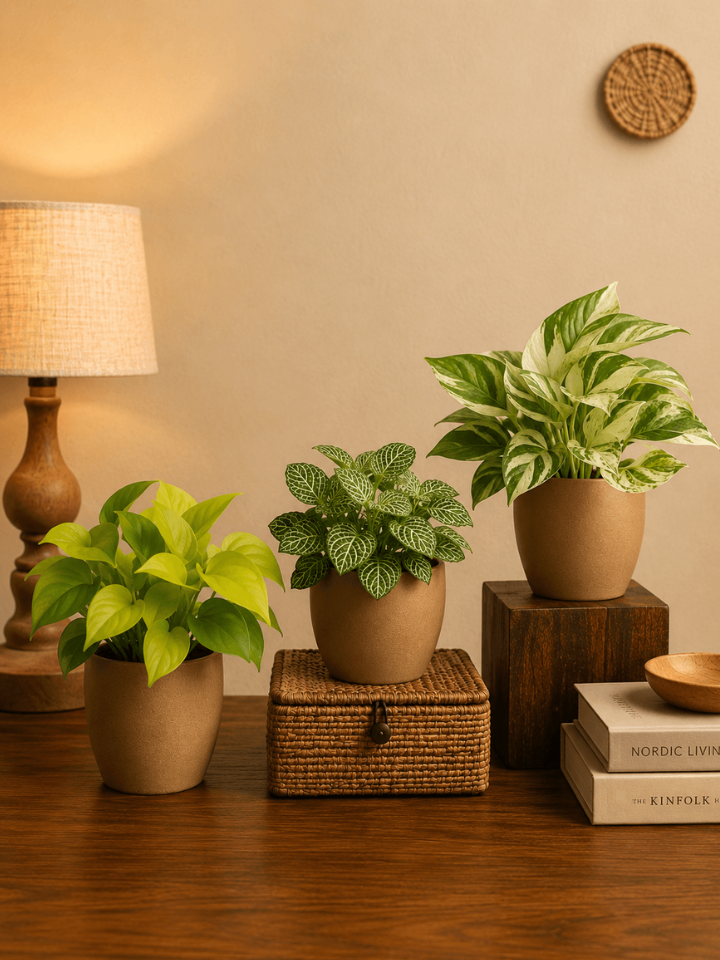
Air Purifying Indoor Plants Combo
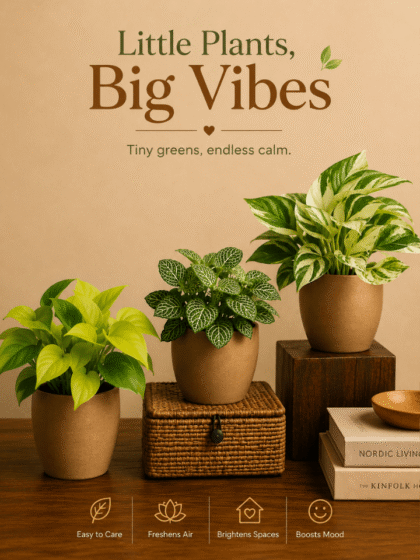
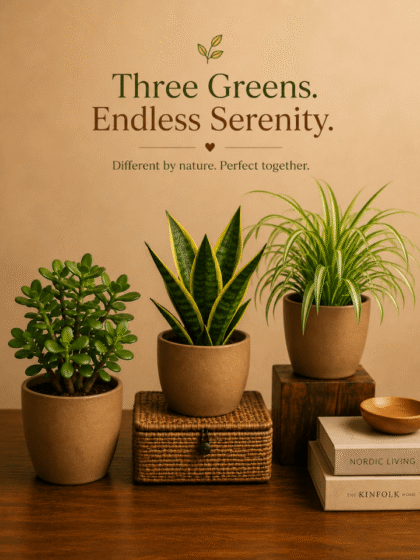
Combo of 3 Minimalist Plant Set
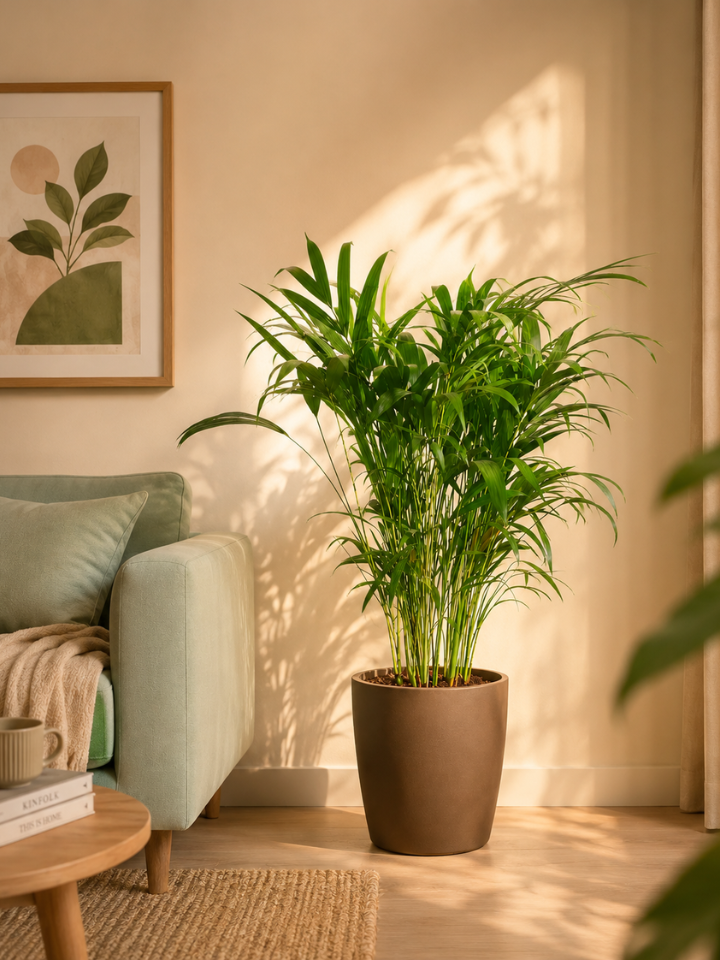
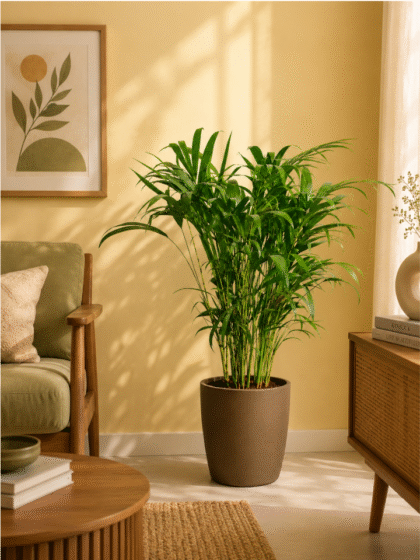
Areca Palm Plant (XL)
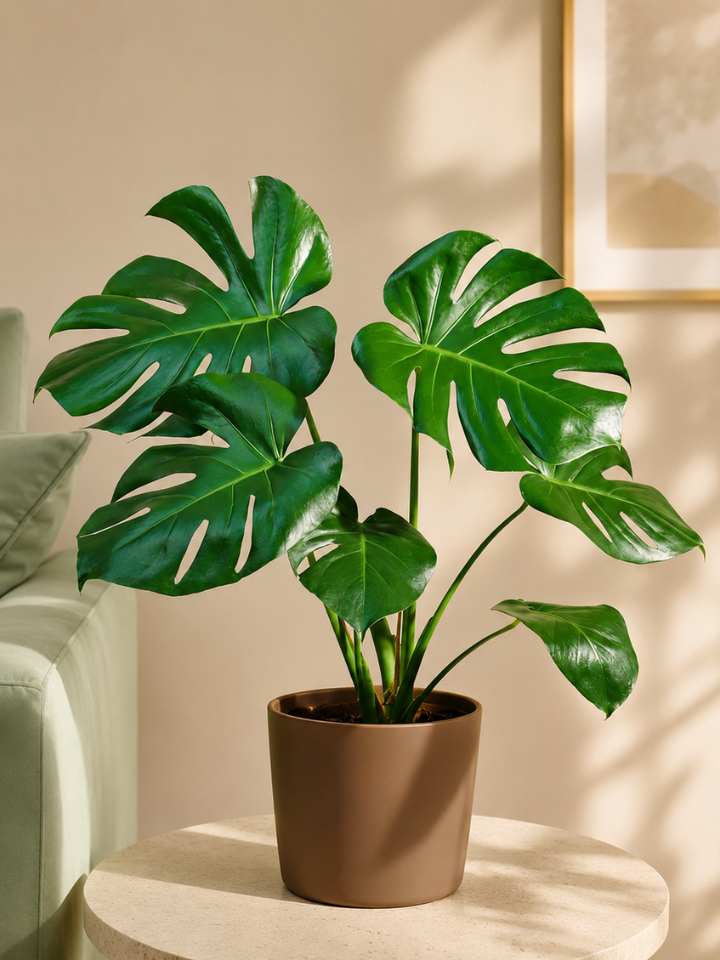
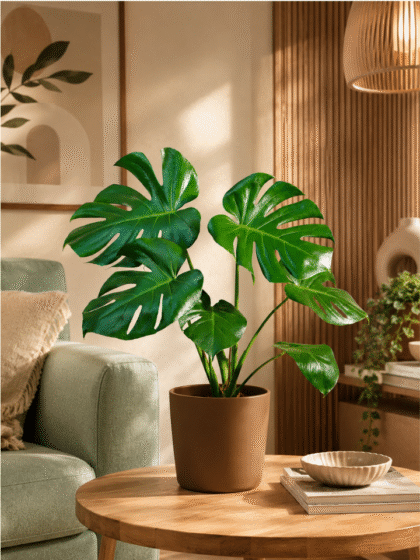
Monstera Deliciosa Plant (XL)
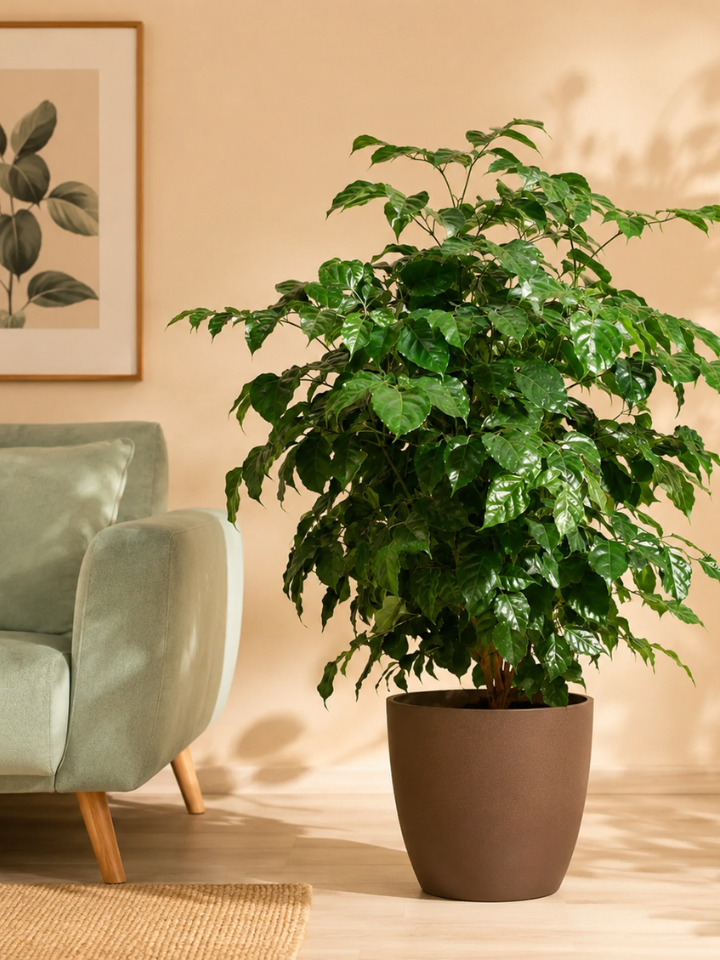
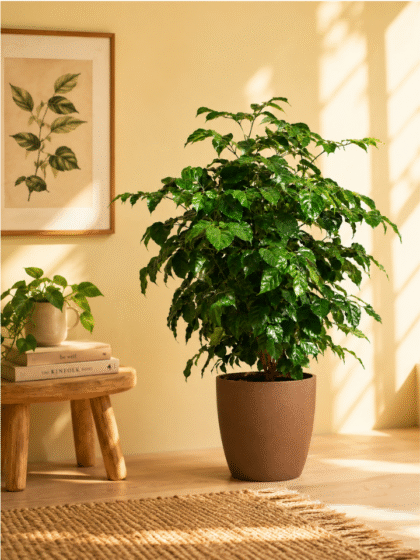
China Doll Plant (XL)
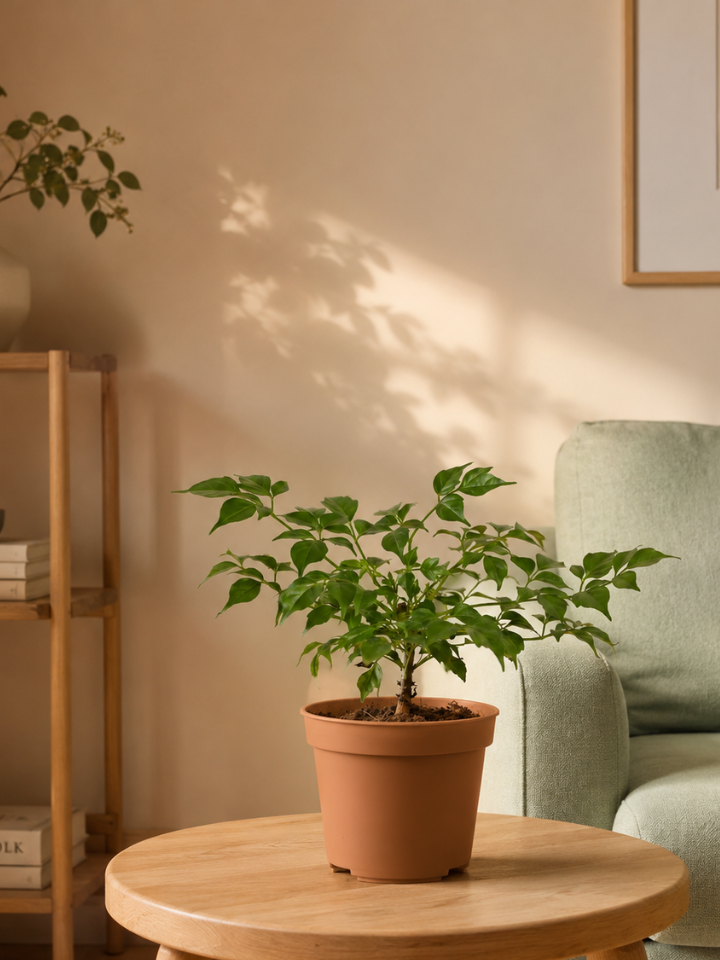
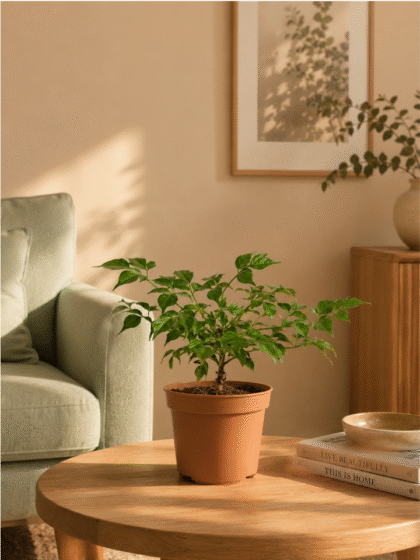
China Doll Plant (Small)

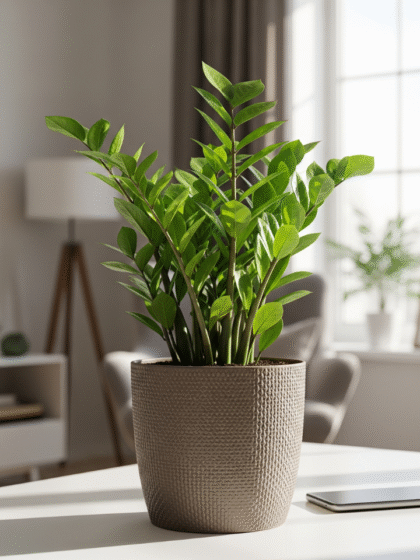
Black ZZ

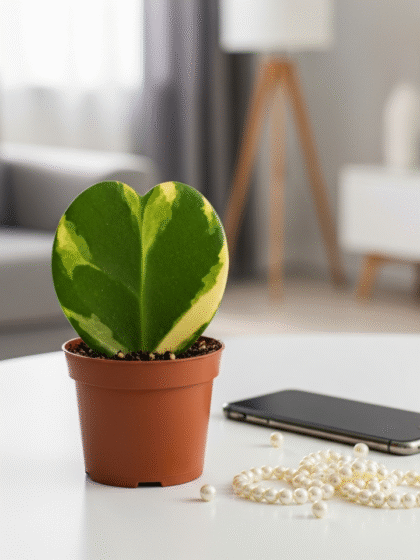
Heart Hoya Plant
1. Why Airborne Mold Is a Bigger Problem in Indian Homes Than You Think
Walk through any flat in Kolkata’s older neighbourhoods in August, any ground-floor apartment in Mumbai during July, or a bungalow in coastal Kerala in September, and you will encounter the same signature: dark patches creeping along the corners of walls, a yellow tinge on white ceilings, fabric that smells faintly sour even after washing. That is the visible part of the problem. The invisible part — the airborne spores drifting through every breath you take — is much larger.
What Indoor Mold Actually Is
Mold is a category of fungi that grows wherever it finds three things: moisture, warmth, and an organic surface to feed on. That surface can be paint, plaster, cotton, paper, leather, wood, or even the dust resting on top of a wardrobe. Spores are the reproductive units these fungi release into the air, and they are microscopic — most are between 2 and 100 microns wide, small enough to bypass the body’s natural filters and reach the deepest parts of the lungs.
In Indian homes, the most common indoor mold genera include:
- Aspergillus — frequently found on walls, in air-conditioning ducts, and on stored food grains
- Penicillium — thrives on damp paper, leather, and fabric
- Cladosporium — common on window frames, bathroom tiles, and curtains
- Stachybotrys (sometimes called “black mold”) — appears on chronically wet plaster and gypsum board
- Alternaria — common in monsoon air and on damp shoes
Why Indian Climate Conditions Are So Mold-Friendly
The numbers tell the story. Indoor mold thrives when relative humidity stays above roughly 60% for extended periods. In Kolkata, average July humidity routinely sits between 80% and 90%. Mumbai’s monsoon months see similar figures. Chennai, Kochi, Goa, Guwahati, Bhubaneswar, and the entire Konkan coast experience long stretches where indoor humidity rarely drops below the danger zone. Even in drier regions like Delhi or Jaipur, modern flats with limited ventilation and centralised air-conditioning can develop humid micro-pockets behind cupboards, under beds, and inside bathrooms.
Add to this:
- Concrete construction that traps moisture in walls
- Limited cross-ventilation in modern compact flats
- North-facing rooms that receive little direct sunlight
- Use of cotton, jute, and wood — beautiful materials that also feed fungi
- Long monsoon seasons in eastern, western, southern and north-eastern India
The result is a household environment where mold is not an occasional invader. It is an ecosystem.
The Health Impact You May Not Be Connecting
Many people in India live with low-grade symptoms they have come to consider “just normal”:
- A blocked nose every morning
- Mild persistent cough that worsens in monsoon
- Itchy eyes when entering certain rooms
- Sneezing fits when cleaning cupboards
- Skin rashes that flare seasonally
- Brain fog or headaches in specific rooms
These are classic symptoms of mold exposure. For children, the elderly, asthmatic individuals, and those with weakened immunity, the consequences can be more serious — including respiratory infections and worsening of conditions like chronic bronchitis and allergic rhinitis.
This is the backdrop against which the 78% mold removal study becomes genuinely interesting — not as a magic fix, but as a practical, affordable, biological tool that millions of Indian households can deploy starting this week.
2. The Study Behind the 78% Mold Removal Claim
Whenever a striking number circulates online, it pays to know exactly where it comes from. The “78% airborne mold removal in 12 hours” figure attributed to English Ivy traces back to research presented at the American College of Allergy, Asthma and Immunology (ACAAI) annual meeting, where investigators placed plant samples in sealed chambers containing measured concentrations of mold spores and cat allergen. After a defined period, the air was re-tested.
What the Researchers Found
Under controlled chamber conditions, English Ivy was shown to:
- Remove approximately 78% of airborne mold spores within 12 hours
- Reduce cat allergen levels by a similar magnitude over the same period
- Continue removing pollutants from the surrounding air for a sustained period after the initial measurement
The takeaway from the lead investigator at the time was that English Ivy could be a useful, low-cost tool for households dealing with mold and allergens — particularly when combined with standard mold control practices like ventilation and moisture management.
Why This Number Should Be Read Carefully
It is important to be honest about what these findings do and do not mean.
What they do mean:
- English Ivy actively absorbs and metabolises certain airborne fungal particles
- In an enclosed environment with reasonable air volume, the effect is measurable and substantial
- The plant continues to work passively, without electricity or filters, every hour of the day
What they do not mean:
- A single ivy plant will not “clean” a 1000-square-foot apartment
- The 78% figure applies to a controlled chamber, not an open, ventilated room with people walking in and out
- Plants reduce airborne spores — they do not remove the source of mold growing inside your walls
This article uses the study as a starting point, not an end point. The real-world value of English Ivy comes from placing several plants in the right rooms, caring for them properly, and using them alongside other mold-control habits.
3. How English Ivy Removes Mold From Indoor Air — The Mechanism Explained
To understand why English Ivy is such an effective natural mold air purifier plant, it helps to look at what the plant is actually doing at a microscopic level. Plants do not have lungs, but they do have something remarkably similar in function: leaves studded with thousands of tiny pores called stomata, supported by an active microbial community in the soil.
The Three-Stage Mold Removal Process
Stage 1 — Particle Capture
English Ivy has densely packed, lobed leaves with a slightly textured, almost waxy surface. As air circulates naturally around the plant — driven by temperature differences, fans, or even the plant’s own transpiration — airborne particles including mold spores, dust, and pollen settle on the leaf surfaces. The leaf shape, with its multiple points and large surface area per square centimetre, makes ivy particularly efficient at this passive capture compared to plants with smooth, flat leaves.
Stage 2 — Stomatal Absorption
Each leaf contains microscopic openings called stomata, used primarily for gas exchange. Through these pores, the plant also absorbs volatile organic compounds (VOCs) and some particulate matter into its internal tissue. Once inside, these compounds enter the plant’s metabolic pathway and are broken down — a process scientists call phytoremediation.
Stage 3 — Root Zone Microbial Action
Perhaps the most fascinating part of the process happens not in the leaves but in the soil. The roots of houseplants like English Ivy host vast communities of beneficial bacteria and fungi. Many airborne pollutants — including some mold spores that fall onto the soil surface or are pulled down through transpiration currents — are broken down by these root-zone microbes, which use the compounds as a food source. This is why a healthy, well-rooted plant in a properly aerated growing medium performs far better than a stressed or recently potted specimen.
Why English Ivy Specifically
There are reasons English Ivy outperforms many other plants for mold removal specifically:
- High leaf-to-soil-volume ratio — ivy produces enormous leaf area per plant
- Trailing growth habit — leaves are distributed vertically and horizontally, sampling more air
- Tolerance for low light — allowing placement in north-facing or interior rooms where mold thrives
- Tolerance for high humidity — ivy does not collapse in damp Indian conditions the way some desert succulents do
- Established root microbial diversity — once mature, ivy supports a particularly rich rhizosphere
The combination of these traits is unusual. Many plants tick one or two of these boxes; Hedera helix ticks all of them, which is why this specific species keeps appearing in indoor air quality research.
4. English Ivy: Botanical Profile and Quick Facts
Before going deeper into placement and care, here is the essential profile of this remarkable plant.
Quick Reference Table
Attribute | Detail |
Botanical name | Hedera helix |
Common names | English Ivy, Common Ivy, Bedeggrass |
Plant family | Araliaceae |
Native range | Europe, Western Asia |
Growth habit | Evergreen, climbing or trailing vine |
Mature size (indoor) | 1.5 to 3 metres trailing length |
Light needs | Bright indirect to medium light; tolerates low light |
Ideal indoor humidity | 50% to 75% (well-suited to Indian climate) |
Watering frequency | When top 2 cm of soil feel dry |
Best temperature range | 18°C to 28°C |
Toxicity | Mildly toxic to humans and pets if ingested |
Propagation | Stem cuttings in water or moist soil |
Air-purifying recognition | Featured in NASA Clean Air Study (1989) |
Distinctive Visual Identification
English Ivy is easily recognised by its star-shaped or three-to-five lobed leaves with prominent pale veining. Several cultivars are available in India, including all-green varieties and variegated forms with cream, yellow, or silver margins. The variegated cultivars are slightly less efficient at photosynthesis but equally decorative — and still highly effective at mold spore capture.
For Indian buyers, the most commonly available cultivars include:
- Hedera helix ‘Glacier’ — green and silvery-white variegation
- Hedera helix ‘Goldchild’ — green with yellow-cream edges
- Hedera helix ‘Needlepoint’ — narrow, deeply lobed leaves
- Hedera helix ‘Anne Marie’ — soft cream variegation
For mold removal effectiveness, the plain green form is marginally superior because it produces more chlorophyll and supports a slightly more active metabolic rate. That said, any healthy English Ivy will deliver meaningful results.
5. Where to Place English Ivy for Maximum Mold Reduction
This is the single most important practical decision you will make, and it is where most households go wrong. Putting an English Ivy in your sunlit living room window may look beautiful, but it does very little for the bathroom mold problem two rooms away. Plants reduce mold in the air immediately around them — within roughly a 2 to 4 metre radius for a healthy mature specimen.
Priority Placement Zones in an Indian Home
Bathrooms
Bathrooms are the single highest-priority location for English Ivy in any Indian home. They are warm, humid, often poorly ventilated, and full of organic surfaces (grout, soap residue, hair) for mold to colonise. English Ivy tolerates the humidity beautifully and actively reduces airborne spores released every time someone showers.
Practical tips for bathroom placement: – Use a hanging planter near the ceiling, where airflow tends to gather spores – Ensure at least some indirect light reaches the plant daily — even a frosted window provides enough – Keep the planter away from direct shower spray, which can cause leaf rot
Bedrooms
You spend roughly one-third of your life in your bedroom. If you wake up with a blocked nose, irritated eyes, or a persistent morning cough, your bedroom air quality is the first thing to address. English Ivy near the head of the bed, on a tall shelf or hanging planter, provides hours of overnight air filtering.
Place ivy: – On a shelf above the headboard or beside the bed – In a corner of the room with some ambient light – Away from direct contact with bedding (mild toxicity if chewed)
Wardrobes and Walk-In Closets
This is a frequently overlooked spot. The dark, enclosed, humid environment inside wardrobes is paradise for mold. While you cannot keep a living plant inside a closed wardrobe (no light, no airflow), placing English Ivy on top of the wardrobe or immediately beside it creates a localised clean-air zone that benefits the surrounding space.
Damp Corners and North-Facing Rooms
Every Indian home has them: that one corner that always feels slightly cool, where the wall paint seems just a shade darker than the rest of the room. These micro-climates are mold breeding grounds. A trailing English Ivy in a tall planter in such a corner gives you both decoration and active mold reduction.
Kitchens (with caution)
Kitchens generate enormous humidity from cooking. English Ivy can be placed in a kitchen, but keep it well away from the stove and from any surfaces where you handle food, because of its mild toxicity. A high shelf or hanging planter near a window works well.
Basements and Storage Rooms
If your home has a basement, storeroom, or staircase landing that you rarely enter, these are often the worst mold offenders. Plants here need a minimum of natural light to survive, but if you have even a small window, an English Ivy can dramatically improve the air quality in this neglected zone.
Placement Distance Guide
Space Type | Recommended Plants | Placement Notes |
Small bathroom (under 5 sq m) | 1 hanging ivy | Near ceiling, away from direct spray |
Medium bedroom (10-15 sq m) | 1-2 trailing ivy plants | One near bed, one in corner |
Large living room (20+ sq m) | 2-3 plants of mixed types | Distribute across the space |
Kitchen | 1 ivy on high shelf | Away from cooking surfaces |
Storage room | 1 ivy near window | Only if some natural light enters |
Basement (with light) | 2 ivy plants | One near each light source |
6. Caring for English Ivy in the Indian Climate
English Ivy is naturally a temperate-climate plant, but with the right care it adapts well to Indian conditions. The good news: our high humidity is actually beneficial for ivy. The challenge: our summer heat and intense direct sunlight can stress the plant if placement is wrong.
Light Requirements
English Ivy thrives in bright indirect light and tolerates medium to low light for extended periods. What it does not tolerate is direct, harsh afternoon sun, which scorches the leaves rapidly in Indian summers.
Region-specific guidance:
- North India (Delhi, Punjab, UP, Rajasthan): Place near east-facing windows for morning light. Avoid south or west windows from March to June.
- East India (Kolkata, Bhubaneswar, Guwahati): Indirect light from any direction works well. Use sheer curtains during peak summer.
- West India (Mumbai, Pune, Gujarat): Avoid direct afternoon sun. East or north windows are ideal.
- South India (Bengaluru, Chennai, Hyderabad, Kochi): Bengaluru’s mild climate is excellent for ivy. In Chennai and Hyderabad, protect from harsh midday sun.
- North-East and Hills (Shillong, Gangtok, Darjeeling): Ivy flourishes here; place near any well-lit window.
Watering Practices
Overwatering is the single biggest killer of English Ivy in Indian homes. The instinct to “water more in the heat” leads to soggy roots, fungal disease, and rapid decline.
The right approach:
- Check soil moisture with your finger — water only when the top 2 cm feel dry
- Water thoroughly until excess drains from the bottom of the pot
- Empty the saucer immediately to prevent root rot
- Reduce watering frequency in monsoon — sometimes once a week is enough
- Increase slightly in dry winter air, especially indoors with air-conditioning
A general rhythm: – Summer (March-June): every 4 to 6 days – Monsoon (July-September): every 7 to 10 days – Winter (October-February): every 6 to 8 days
These are guidelines — always let the soil tell you, not the calendar.
Humidity Considerations
Indian humidity is generally a friend to English Ivy. However, in homes with heavy air-conditioning, the indoor air can become unexpectedly dry. Signs of low humidity stress include crispy leaf edges and slow growth. In such cases:
- Mist the leaves every few days with clean water
- Group plants together to create a humidity micro-climate
- Place the pot on a pebble tray with water (without the pot touching the water)
Soil and Potting
English Ivy prefers a well-draining, slightly acidic potting mix. A good blend for Indian conditions:
- 2 parts good-quality cocopeat or garden soil
- 1 part well-rotted compost or vermicompost
- 1 part perlite or coarse sand for drainage
Use a pot with adequate drainage holes. Terracotta pots work beautifully because they allow excess moisture to evaporate through the walls, mimicking the plant’s natural preference for slightly dry-on-top conditions.
Fertilising
English Ivy is a moderate feeder. During the active growing season (spring through early monsoon), feed every 4 to 6 weeks with a balanced liquid fertiliser diluted to half strength. Reduce to once every 8 to 10 weeks during winter. Avoid fertilising stressed or freshly repotted plants for at least 6 weeks.
Pruning and Training
Regular pruning keeps ivy bushy, healthy, and visually attractive. It also encourages fresh growth, which is more metabolically active and therefore more effective at air purification.
- Pinch off the tips of long stems every few months to encourage branching
- Remove any yellowing or damaged leaves immediately
- For hanging plants, trim trailing stems if they become too leggy
- Save healthy cuttings — they root easily in water and become new plants in 3 to 4 weeks
Common Problems and Solutions
Problem | Likely Cause | Solution |
Yellow leaves | Overwatering | Let soil dry; check drainage |
Brown leaf tips | Low humidity or salt build-up | Mist regularly; flush soil with water |
Spider mites | Hot, dry air | Wipe leaves; mist; isolate plant |
Leggy growth | Too little light | Move to brighter spot |
Slow growth | Underfeeding or compacted soil | Repot or apply diluted fertiliser |
Pale, washed-out leaves | Direct sunburn | Move out of direct sun |
Month-by-Month Care Calendar for Indian Households
A simple seasonal rhythm helps you keep ivy thriving year-round. The following calendar is calibrated for a typical Indian climate, with notes for major regional variations.
Month | Key Tasks | Watch Out For |
January | Reduce watering; light dusting of leaves | Cold drafts in north India; move ivy away from open windows at night |
February | Resume mild feeding (half-strength) every 4 weeks | New growth beginning — protect from sudden sun exposure |
March | Begin pruning leggy growth; rotate plant for even shape | Rising temperatures in north and central India; shift ivy from south windows |
April | Increase watering frequency; mist on dry days | Peak summer heat begins — protect from direct afternoon sun |
May | Weekly leaf cleaning; deep watering check | Spider mites flourish; inspect undersides of leaves |
June | Pre-monsoon repotting if needed; refresh top soil | Sudden humidity rise; ensure pots are not waterlogged |
July | Reduce watering frequency; improve ventilation | Fungal leaf spots possible — remove affected leaves quickly |
August | Monitor for root rot; prune dense growth for airflow | Indoor humidity peaks in eastern and western India |
September | Light feeding resumes; assess plant health | Watch for residual monsoon dampness in pot saucers |
October | Restore regular watering schedule | Cooler nights — keep ivy away from drafts |
November | Take cuttings for propagation; gentle pruning | Reduced light in northern latitudes; move closer to windows |
December | Minimal watering; focus on leaf cleaning | Air-conditioning and heaters dry the air — mist regularly |
Regional Adjustments at a Glance
- Kolkata, Bhubaneswar, Guwahati and the eastern belt: Reduce watering significantly from July to September. Ivy may stop growing during peak monsoon — this is normal. Resume normal care once humidity drops in October.
- Mumbai, Goa, coastal Maharashtra: Similar to the eastern belt. Avoid placing ivy where rainwater can splash through windows.
- Delhi, Punjab, Haryana, Rajasthan: Winter air is cold and dry. Protect ivy from drafts but maintain mild humidity through misting or grouping plants together. Summer afternoons require shade from direct sun.
- Bengaluru, Hyderabad, Pune: Moderate climate is excellent for ivy year-round. Minimal seasonal adjustments needed.
- Chennai, Kochi, Trivandrum: Year-round warmth and humidity favour ivy growth. Watch for fungal issues during peak monsoon; ensure ventilation.
- Hill stations (Darjeeling, Shimla, Ooty): Ivy is naturally at home in temperate hills. Indoor placement requires almost no special care beyond protecting from frost-prone winter nights.
7. Other Houseplants That Genuinely Reduce Indoor Mold
English Ivy is the star performer for airborne mold removal, but a single species is rarely the optimal strategy. A diverse collection of mold-fighting houseplants gives you broader coverage — different plants excel at different pollutants, tolerate different micro-climates, and provide resilience if any one plant struggles. Here are the other genuine performers, supported by NASA’s foundational Clean Air Study and follow-up research.
Peace Lily (Spathiphyllum)
Peace Lily is the elegant cousin of English Ivy in mold control. NASA research identified it as effective against benzene, formaldehyde, trichloroethylene, and several airborne fungal spores. Its broad, dark green leaves catch spores efficiently, and it tolerates the low-light, humid conditions where mold thrives.
Why it matters for mold:
- Reduces both airborne spores and humidity through transpiration
- Tolerates bathroom and dim-corner placement
- Produces beautiful white spathes when happy
Indian climate notes: Peace Lily loves Indian humidity but is sensitive to chlorinated tap water. Use filtered or rainwater where possible. Available from quality online nurseries including Plantaeroot’s Peace Lily collection.
Boston Fern (Nephrolepis exaltata)
Boston Fern earns its reputation as one of the strongest natural humidifiers and air purifiers combined. The dense, feathery fronds present an enormous surface area for spore capture, and it actively pulls particulates from the surrounding air.
Why it matters for mold:
- High transpiration moderates excessive room humidity in some cases
- Dense foliage captures spores at multiple heights
- Particularly effective in bathrooms and well-lit damp corners
Indian climate notes: Boston Fern thrives in eastern, southern, and north-eastern climates. In dry north Indian winters, mist regularly. The Boston Compacta variety is a more compact form well-suited to smaller spaces.
Snake Plant (Sansevieria trifasciata)
Snake Plant is the workhorse of low-maintenance air purifying plants for Indian households. It releases oxygen at night (unusual among plants), tolerates almost complete neglect, and has been shown to reduce a range of indoor air pollutants including airborne fungal particles.
Why it matters for mold:
- Survives in low light where mold grows most aggressively
- Thrives on infrequent watering — fitting busy households
- Particularly effective at moisture regulation in dry rooms
Indian climate notes: Snake Plant is virtually unkillable in Indian conditions. The Snake Plant Green/Golden Hahnii variety is a compact form perfect for bedrooms and bathrooms.
Spider Plant (Chlorophytum comosum)
Spider Plant was a star performer in the original NASA Clean Air Study and remains one of the most accessible mold-fighting houseplants. The arching, ribbon-like leaves create excellent particle interception.
Why it matters for mold:
- Produces baby plantlets that can be re-potted, expanding your collection at no cost
- Extremely forgiving of erratic watering
- Excellent for hanging displays in high-humidity areas
Indian climate notes: Spider Plant is one of the easiest plants to grow across all Indian climate zones. Pet-friendly, making it a top choice for families with cats or dogs.
Areca Palm (Dypsis lutescens)
Areca Palm is the largest of the mold-fighting plants and works well as a statement piece in living rooms. Its primary mold-related benefit is its role as a natural humidifier and air purifier — but in damp rooms, it also acts as a passive humidity regulator and continuous air filter.
Why it matters for mold:
- Excellent transpiration helps move air through the room
- Large leaf surface area for particulate capture
- Pet-friendly and child-safe
Indian climate notes: Native to humid tropical regions, Areca Palm is genuinely happy in Indian conditions and grows vigorously.
Bamboo Palm (Chamaedorea seifrizii)
Often confused with Areca Palm but distinctly different, the Bamboo Palm features in NASA’s air quality recommendations as a strong performer against formaldehyde and certain airborne particulates. It tolerates lower light than Areca, making it suitable for darker corners of Indian homes.
Indian climate notes: Particularly well-suited to north-facing rooms and apartments with limited natural light.
Comparison Table — Mold-Reduction Houseplants for Indian Homes
Plant | Mold Removal Strength | Light Needs | Humidity Tolerance | Pet-Safe | Care Level |
English Ivy | Highest (78% in 12 hrs) | Low to bright indirect | High | No (mild toxicity) | Moderate |
Peace Lily | High | Low to medium | Very high | No (mild toxicity) | Easy |
Boston Fern | High | Bright indirect | Very high | Yes | Moderate |
Snake Plant | Moderate | Any | Moderate to high | No | Very easy |
Spider Plant | Moderate-High | Medium to bright | High | Yes | Very easy |
Areca Palm | Moderate | Bright indirect | Very high | Yes | Moderate |
Bamboo Palm | Moderate-High | Medium | High | Yes | Moderate |
8. Pairing Plants for a Complete Mold-Defence System
A single plant in a single corner achieves modest results. A thoughtfully designed plant ecosystem across your home achieves transformation. The principle is simple: layer different plants in different locations, each tackling the specific air quality issue of that micro-environment.
The Three-Layer Strategy
Layer 1 — Source Defence (in the room where mold begins)
In bathrooms, kitchens, and laundry areas, position English Ivy or Boston Fern. These are your front-line workers, capturing spores at the point of release.
Layer 2 — Living Space Defence (where you spend the most time)
In living rooms, bedrooms, and home offices, place Peace Lily, Spider Plant, Snake Plant, or Areca Palm. These plants improve the air in spaces where you breathe the most, ensuring that even after spores travel from their source, they meet a filter before reaching your lungs.
Layer 3 — Threshold Defence (between high-mold and low-mold zones)
Doorways and passages between bathrooms and bedrooms, or between damp basements and living areas, are natural choke points. A trailing English Ivy or hanging Spider Plant placed here intercepts spores moving between rooms.
Sample Plant Plans by Home Size
1 BHK Apartment (450 sq ft) – 1 English Ivy (bathroom) – 1 Snake Plant (bedroom) – 1 Peace Lily (living room) – 1 Spider Plant (kitchen window)
2 BHK Apartment (800 sq ft) – 2 English Ivy (master bath + bedroom) – 1 Boston Fern (second bathroom) – 1 Snake Plant (second bedroom) – 1 Peace Lily (living room) – 1 Areca Palm (living room corner) – 1 Spider Plant (kitchen)
3 BHK House (1500+ sq ft) – 3 English Ivy (all bathrooms) – 2 Peace Lily (master bedroom + living) – 1 Boston Fern (balcony or damp corner) – 2 Snake Plant (bedrooms) – 1 Areca Palm (entrance hall) – 1 Spider Plant (kitchen) – 1 Bamboo Palm (study or guest room)
The aim is not to crowd your home with plants but to ensure every high-humidity zone has at least one active air-cleaner, and every primary living space has another.
9. Mold, Allergies, and Plant-Based Air Cleaning: What Science Actually Says
It is worth taking an honest, clear-eyed look at the science behind these claims, because misleading information serves no one.
What Is Genuinely Supported
Plants do reduce indoor air pollutants. Multiple peer-reviewed studies — including NASA’s 1989 Clean Air Study, follow-up research at the University of Georgia, work at Pennsylvania State University, and the ACAAI study referenced earlier — have demonstrated that certain houseplants can measurably reduce levels of volatile organic compounds (VOCs), particulates, and biological pollutants including mold spores under controlled conditions.
English Ivy is specifically supported for mold. The 78% mold spore reduction figure comes from a real chamber study, presented at a recognised allergy and immunology conference, on the specific species Hedera helix.
The mechanism is well understood. Leaf-surface particle capture, stomatal absorption, and root-zone microbial breakdown of pollutants are all well-documented phenomena in plant biology.
What Requires Nuance
Real homes are not chambers. Most published studies measure plant performance in sealed environments. In a real home with windows opening and closing, air-conditioning running, and people moving between rooms, the effect of plants is real but smaller per plant than chamber studies suggest. Scaling up to compensate — having multiple plants per room — is the practical response.
Plants supplement, not replace, mold control. No houseplant will solve a moisture problem in your walls. If you have visible mold growth, plants alone are not enough. You need to address the source: leaks, condensation, poor ventilation, soaked carpets, or chronic dampness.
Plant effects build over time. A plant that has settled into a room, established its root microbial community, and grown to maturity is far more effective than the same plant on its first day in your home. Give your plants 6 to 8 weeks to reach their full potential.
Practical Synthesis for Indian Homes
For most Indian households, the right framing is this:
- Plants are a genuine, measurable, low-cost component of indoor air quality management
- They are most effective when used alongside good ventilation, moisture control, and regular cleaning
- The combination of multiple suitable plants across your home delivers cumulative benefits well worth the effort
- Among all available mold-control plants, English Ivy is uniquely well-supported by direct research
10. Common Mistakes That Make Mold Worse (Even With Plants)
Counter-intuitively, houseplants can sometimes contribute to indoor mold problems if managed poorly. Here are the pitfalls to avoid.
Mistake 1 — Overwatering
A waterlogged pot is itself a mold breeding ground. The soil surface develops white fuzzy growth, the roots begin to rot, and the plant — instead of cleaning your air — adds spores to it. The fix is simple: water only when the top of the soil is dry, ensure drainage holes work properly, and never let pots sit in stagnant saucer water.
Mistake 2 — Poor Pot Drainage
Decorative pots without drainage holes look elegant but trap moisture. Either drill holes, use a planter-within-a-planter system, or accept that you will need to water with extreme precision. The cocopeat-based potting mixes common in India hold moisture well, so adequate drainage is non-negotiable.
Mistake 3 — Wrong Plant for the Room
Placing a sun-loving cactus in a dim bathroom condemns it to slow death. Placing a humidity-sensitive succulent in a steamy washroom invites rot. Match the plant to the micro-climate. English Ivy, Boston Fern, and Peace Lily are humidity-friendly. Snake Plant and Spider Plant tolerate a wider range but still prefer reasonable airflow.
Mistake 4 — Crowding Plants Too Tightly
A few plants spaced around the room circulate air and cover more zones than a single tightly grouped cluster. Crowding also reduces airflow around each plant, creating micro-pockets of stagnant, humid air that can host fungal growth on the leaves and soil surface.
Mistake 5 — Neglecting Cleaning
Dusty leaves work less efficiently. Wipe English Ivy leaves with a damp cloth every two to three weeks. Remove dead or yellowing leaves promptly. Refresh the top layer of soil twice a year to prevent crust formation.
Mistake 6 — Ignoring the Source of Moisture
The most important rule: plants help, but they do not fix structural moisture issues. If your bathroom has a leaky pipe, address the leak. If condensation drips down a wall every monsoon, install a vapor barrier or improve ventilation. If a particular cupboard always smells musty, line it with silica gel or charcoal-based dehumidifying packets and improve airflow.
Mistake 7 — Expecting Instant Results
It takes time. A plant settling into a new home spends weeks adjusting. Established plants with mature root systems are dramatically more effective than newly-bought specimens. Be patient, care for them well, and observe results over months — not days.
11. A Room-by-Room Plant Plan for Mold-Prone Indian Homes
This is the practical implementation guide — adapt it to your specific home, but use it as a starting framework.
Bathroom
Conditions: High humidity, low light, frequent temperature swings, organic surfaces (grout, soap, hair).
Recommended plants:
- English Ivy (hanging) — primary mold remover
- Boston Fern (if window light available) — humidity buffer
- Peace Lily (if shelf space allows) — secondary mold remover
Care notes: Plants here need regular cleaning of leaves to remove soap residue and water deposits. Keep them away from direct shower spray.
Master Bedroom
Conditions: Closed at night, often air-conditioned, hours of human occupancy.
Recommended plants:
- Snake Plant — releases oxygen overnight, no humidity addition
- English Ivy (if bedroom is humid) — mold defence
Care notes: Avoid heavily scented plants here. Keep ivy out of reach of children and pets.
Children’s Bedroom
Conditions: Similar to master bedroom, with safety considerations primary.
Recommended plants (pet and child-friendly):
- Spider Plant — completely safe if accidentally chewed
- Boston Fern — non-toxic
- Areca Palm — non-toxic, decorative
Avoid English Ivy and Peace Lily in rooms where toddlers or pets cannot be supervised.
Living Room
Conditions: Higher footfall, more air circulation, generally well-lit.
Recommended plants:
- Areca Palm (statement plant) — air filter and humidity regulator
- Peace Lily — VOC removal and mold spore capture
- Spider Plant (hanging) — particulate filter
Care notes: Living rooms benefit from a layered approach with plants at different heights.
Kitchen
Conditions: Cooking humidity, grease in the air, variable light.
Recommended plants:
- Spider Plant (window or hanging) — air purifier, safe near food zones
- Snake Plant (countertop corner) — low maintenance
Care notes: Keep plants away from cooking surfaces. Wipe leaves regularly to remove grease film.
Home Office or Study
Conditions: Air-conditioning, electronics releasing low-level VOCs, long sedentary hours.
Recommended plants:
- English Ivy (desk-side) — mold and VOC removal
- Peace Lily — formaldehyde and benzene removal
- Snake Plant — oxygen and humidity regulation
Balcony or Outdoor Transitional Spaces
Conditions: Higher humidity in monsoon, often the entry point for outdoor spores.
Recommended plants:
- Hanging English Ivy — front-line filter for incoming air
- Boston Fern — humidity-loving and decorative
- Bougainvillea, Jasmine, and other flowering plants — outdoor beauty with air-quality benefits
Storage Room or Wardrobe Area
Conditions: Often the most mold-prone, least ventilated zone in any home.
Recommended plants (if even minimal light is available):
- English Ivy near the door — captures spores moving in and out
- Snake Plant — survives the dimmest conditions
If no light is available, place an English Ivy immediately outside the storage area to create a clean-air buffer.
12. Safety, Pets, Children and English Ivy
A responsible recommendation must include safety. English Ivy is a wonderful plant — but it is not without considerations.
Toxicity Profile
English Ivy contains compounds called saponins (specifically triterpenoid saponins like hederagenin), which are mildly toxic if ingested. The effects are generally limited but can include:
- Mouth and throat irritation
- Stomach upset, nausea, or vomiting if chewed and swallowed
- Skin irritation or contact dermatitis in sensitive individuals
This applies equally to humans and pets including cats and dogs. The plant is not dangerously toxic for most people in normal use — but you should not place it where a curious toddler or pet is likely to chew the leaves.
Practical Safety Guidance
Households with young children:
- Use hanging planters out of reach
- Place ivy on tall shelves or in rooms where children do not play unsupervised
- Teach older children that decorative plants are not for chewing
- Consider pet-safe alternatives like Spider Plant or Boston Fern in nurseries
Households with cats or dogs:
- Position ivy high — hanging baskets work beautifully
- Avoid trailing the vine where pets can reach
- If your pet has shown previous interest in chewing plants, consider safer alternatives
- Monitor for symptoms if you suspect chewing has occurred and contact your vet
Handling the plant:
- Wear gloves when pruning or repotting if you have sensitive skin
- Wash hands after handling, especially before eating or touching your face
- Keep pruning waste in a sealed bag for disposal
Pet-Friendly Alternatives
If your household requires strictly pet-safe plants, your mold-fighting team can be built from:
- Boston Fern (excellent for bathrooms)
- Spider Plant (versatile and beautiful)
- Areca Palm (statement piece for living rooms)
- Bamboo Palm (low-light tolerant)
- Parlor Palm (compact and dim-room tolerant)
You will not get the singular 78% mold removal figure of English Ivy, but a combination of pet-friendly plants delivers genuine results.
13. The Honest Limits: What Plants Cannot Do
This section matters because it builds trust and ensures you spend your money and effort wisely.
Plants Cannot Remove Mold From Surfaces
If you have black or green patches growing on a wall, a wardrobe, a curtain, or a piece of upholstered furniture, no plant will clean that surface. You need to physically clean it, often with an appropriate antifungal solution, and address whatever moisture allowed it to grow.
Plants Cannot Repair Structural Damp
Rising damp, leaky roofs, condensation behind insulation, broken plumbing — these are construction issues requiring construction solutions. Plants placed in an environment with ongoing structural moisture problems will struggle to survive themselves, let alone clean the air effectively.
Plants Cannot Replace Ventilation
The single most important factor in indoor air quality, in any climate, is air exchange — bringing fresh air in and pushing stale air out. Plants supplement ventilation; they do not replace it. Open windows when humidity allows, run exhaust fans in bathrooms and kitchens, and consider a dehumidifier in monsoon-affected regions.
Plants Cannot Completely Eliminate Severe Mold Allergies
If you have a diagnosed mold allergy with significant symptoms, plants are part of a broader management plan that should include medical consultation, possibly air filtration with HEPA filters, and aggressive moisture control. They are a useful supplement, not a standalone treatment.
Plants Cannot Work Without Care
A neglected plant with yellowing leaves, dry soil, and pest infestation is not cleaning your air — it is fighting for its life. Caring for your plants well is essential to getting the benefits.
What Plants Can Do — A Realistic Summary
- Measurably reduce airborne mold spores in their immediate vicinity
- Lower levels of common indoor VOCs over time
- Regulate humidity in dry or moderately humid rooms
- Improve subjective air freshness and mood
- Contribute to a beautiful, calming, biophilic home environment
That is genuinely valuable — and worth doing.
14. How to Choose and Buy a Healthy English Ivy
The plant that arrives at your doorstep determines how quickly you start seeing results. A weak, stressed, or root-bound specimen can take months to recover before it begins doing meaningful air-cleaning work. A healthy, well-grown plant settles into your home within days. Here is how to make the right choice — whether you are buying online or visiting a nursery in person.
What a Healthy English Ivy Looks Like
When you receive or examine a plant, look for these markers of quality:
- Leaf colour: Uniformly bright green (or appropriately variegated). Avoid plants with dull, yellowed, or grey-tinted leaves.
- Leaf texture: Firm, slightly waxy, with crisp edges. Limp or droopy leaves indicate water stress.
- Stem condition: Stems should be firm, not woody-brittle and not soft-squishy. Healthy ivy stems are flexible and slightly green-tinted at the growing tips.
- Growing tips: Active new growth at multiple points is the strongest signal of a thriving plant.
- Root system: If you can examine the roots (or the bottom of the nursery pot), look for white or cream-coloured roots filling the soil moderately — not so densely that they spiral around the pot, and not so sparsely that the soil falls apart.
- No pest signs: Check under leaves and along stems for tiny webs (spider mites), white cottony patches (mealybugs), or black sticky residue (aphid honeydew).
- No fungal spots: Brown circular spots or yellow halos on leaves can indicate fungal infection. Skip these plants.
Online vs Nursery Purchase
Both channels work well in India today, but each has trade-offs.
Buying online:
- Wider selection, often including specific cultivars
- Plants are typically packed professionally for transit
- Doorstep convenience, especially for those without local nurseries
- A short adjustment period after arrival is normal — plants may look slightly tired for the first few days
Buying from a local nursery:
- You can inspect the plant before purchase
- Easier to find very large mature specimens
- Some bargaining flexibility
- May involve more variability in plant health depending on the seller
For most urban Indian households, established online plant nurseries with proper packaging and after-sale support offer the best combination of selection, convenience, and quality assurance. Look for sellers who:
- Provide clear photos of the actual plant being shipped (or representative quality)
- Use proper protective packaging for transit
- Offer prompt customer support if any issue arises
- Have transparent shipping and return policies
- Have established reputations within the gardening community
After Your Plant Arrives
The first 7 to 10 days after arrival are the most important. Whether ordered online or brought home from a nursery, your plant has just been through a stressful transition.
Day 1:
- Unpack carefully and inspect for any damage
- Place in a location with bright indirect light — not in direct sun
- Do not water immediately unless the soil is bone dry; transit conditions are usually moisture-conserving
- Do not repot for at least 2 to 3 weeks — let the plant adjust first
Days 2 to 7:
- Allow the plant to settle without major changes
- Check soil moisture daily, water lightly if dry
- Expect some leaf drop — this is normal after transit
- Avoid fertilising during this period
Days 8 to 21:
- Begin normal watering schedule
- Wipe leaves gently to remove transit dust
- Start observing new growth at the tips
Beyond Day 21:
- The plant should be visibly settling in
- Consider repotting if the original container is unsuitable for long-term growth
- Begin mild fertilising
Selecting the Right Size for Your Space
English Ivy is sold in various sizes:
Size Category | Pot Diameter | Best Use | Approximate Plant Maturity |
Small (starter) | 4 to 5 inches | Desktop, small shelves, propagation | 3 to 6 months old |
Medium | 6 to 8 inches | Hanging planters in average rooms | 6 to 12 months old |
Large | 9 to 12 inches | Statement piece in large rooms | 1 to 2 years old |
Extra large | 14+ inches | Floor displays, lobbies, large bathrooms | 2+ years old |
For most homes, medium-sized plants offer the best balance of immediate visual impact and ease of care. Starter sizes are economical and grow quickly if you are willing to wait a few months for fuller coverage.
Building a Plant Collection Gradually
You do not need to buy everything at once. A sensible approach for most Indian households:
- Month 1: Buy one English Ivy for your most humid room
- Month 2: Add a Snake Plant or Spider Plant for your bedroom
- Month 3: Add a Peace Lily for your living room
- Month 4 onwards: Expand based on observed results and your enjoyment of plant care
Within four to six months you will have a meaningful, working indoor air-quality system — and you will have learned enough about plant care along the way to maintain it effortlessly.
Frequently Asked Questions
Yes — under controlled chamber conditions over a 12-hour period, English Ivy was shown to reduce airborne mold spores by approximately 78% in research presented at the American College of Allergy, Asthma and Immunology meeting. Real-home performance is lower per plant due to larger air volumes and ongoing air exchange, but the effect remains measurable and meaningful when used as part of a broader plant strategy.
For a typical Indian bedroom or bathroom (10 to 15 square metres), one healthy mature English Ivy plant placed strategically is a strong starting point. For larger rooms (20 square metres or more), two plants distributed at different points are more effective than one large plant in a single location.
It can contribute to symptom relief by reducing airborne spore concentrations in your living spaces, but it is a supplement to — not a replacement for — proper medical management, moisture control, and ventilation. If your symptoms are significant, consult an allergist.
Yes, English Ivy thrives in bathroom humidity. Place it high (hanging planter or upper shelf), keep it away from direct shower spray, and ensure it receives at least indirect light through a window or frosted glass.
Yes, provided it is kept out of direct afternoon sunlight. Bright indirect light is ideal. In the hottest months, mist the leaves occasionally and ensure consistent watering without overwatering.
English Ivy tolerates low light better than many decorative plants, but it does need some indirect light to survive long-term. If your room has no natural light at all, ivy will gradually decline. In such cases, consider rotating the plant — keeping it in a bright spot most of the week and the dim spot only for short periods.
Yes, it is mildly toxic if ingested. Ingestion can cause oral irritation, drooling, vomiting, and diarrhoea in pets. Place ivy in hanging planters or elevated locations out of reach. For homes with pets that chew plants, consider pet-safe alternatives like Spider Plant, Boston Fern, or Areca Palm.
Plants need 4 to 8 weeks to settle into a new environment and reach their full air-cleaning capacity. You may notice improved freshness in the room within days, but the cumulative reduction in mold-related symptoms typically becomes apparent over several weeks of consistent use.
Yes, English Ivy roots very easily. Cut a 10 to 15 cm stem just below a leaf node, remove the lower leaves, and place the cutting in a glass of clean water. Roots will appear in 2 to 3 weeks. Once roots are 3 to 5 cm long, transplant into well-draining potting mix.
You can buy and pot English Ivy any time of year in India. The plant adapts quickly. Avoid major repotting during the peak summer months (April-May in most regions) to reduce transplant stress. Buying online from established nurseries like Plantaeroot ensures you receive a healthy, well-rooted plant with proper packaging.
No. English Ivy works without any electricity, filters, or special equipment. That said, in severely mold-affected homes, a dehumidifier and HEPA air purifier alongside your plants accelerate results significantly.
Plants do not compete in the way you might expect — they support each other by creating shared humidity micro-climates and complementary air-cleaning profiles. The only practical concern is giving each plant enough light and airflow.
Yes. As long as you have at least one window providing indirect natural light, English Ivy will thrive in apartments. It is one of the better choices for compact urban homes where outdoor space is limited.
Signs of a healthy, well-functioning ivy: - Bright green (or appropriately variegated) leaves with no yellowing - Steady production of new leaves at growing tips - Firm stems and a slightly damp but not soggy soil surface - Slight increase in trailing length every month or two
If you notice declining health, the plant’s air-cleaning effectiveness drops with it. Address the underlying issue — usually watering, light, or pest-related.
Avoid plants that need very dry soil and low humidity, like most succulents and cacti, in bathrooms or steamy kitchens. They will rot, contribute to fungal issues rather than reducing them, and waste the spot that could have hosted a humidity-loving mold fighter.
Final Word: Building a Greener, Cleaner Home
The journey from understanding that English Ivy can remove 78% of airborne mold to actually breathing cleaner air in your own home is straightforward, but it asks for a small commitment.
It begins with one plant in one room — usually the bathroom, where the problem is most acute. It grows, almost without your noticing, into a household ecosystem: an ivy by the bedside, a Peace Lily in the corner of the living room, a Boston Fern catching morning light in the kitchen window, a Snake Plant guarding the bedroom at night. Suddenly, you realise you have stopped sneezing every time you open the wardrobe. The musty smell in the bathroom is gone. The air in your home feels different.
This is what plants do — quietly, biologically, without electricity or moving parts. They turn your home into a system that supports your health rather than slowly working against it.
For Indian homes especially, where humidity, monsoon, and modern compact living combine to create a genuinely challenging indoor air environment, plants are not a trend. They are infrastructure.
If you are starting from zero, here is the simplest path:
- Buy one healthy English Ivy plant from a trusted source
- Place it in your most humid room — likely the bathroom
- Care for it well for a month
- Once you see it thriving, add a second plant in your bedroom
- Build from there at your own pace
Within a few months, you will have built something genuinely worthwhile: a home that, every hour of every day, is actively cleaning the air you breathe.
At Plantaeroot, our entire mission since 2014 has been to help families across India do exactly this. We believe every home deserves a little green corner — and every breath you take inside it deserves to be cleaner than the one before. Whether you are just beginning or expanding an established collection, the right plants are within reach.
Start with one plant. The rest will follow naturally.
Quick Reference Card — Save or Share

The Plant: English Ivy (Hedera helix)

The Claim: Removes approximately 78% of airborne mold spores within 12 hours in controlled studies.

Best For: Bathrooms, bedrooms, damp corners, wardrobes, north-facing rooms.

Care Essentials: Bright indirect light, moderate watering, well-draining soil, regular pruning, occasional misting in dry weather.

Pair With: Peace Lily, Boston Fern, Snake Plant, Spider Plant, Areca Palm, Bamboo Palm for a complete indoor air-quality system.

Safety: Mildly toxic if ingested. Keep out of reach of small children and curious pets.

Where to Buy in India: Established online nurseries with healthy, well-packed plants and proper after-sale support.